
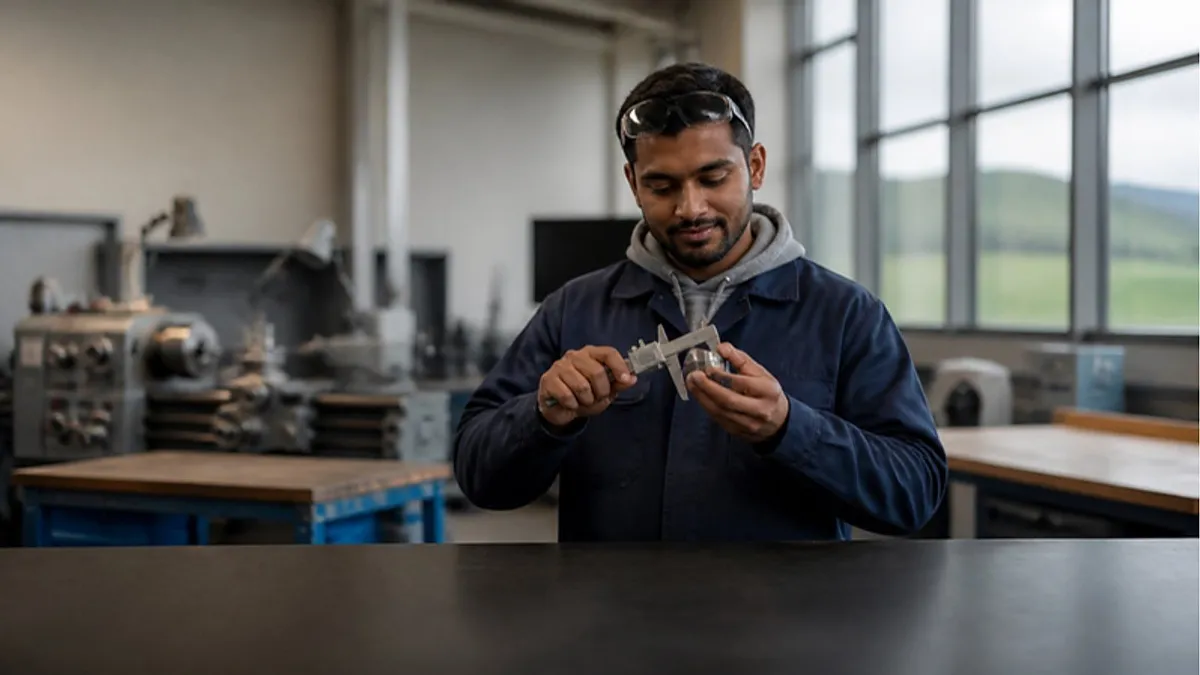
Ara Institute of Canterbury: Courses, Fees and Intakes
TL;DR: Ara Institute of Canterbury is a Christchurch polytechnic, independent again since 1 January 2026, teaching diplomas, bachelor's degrees and graduate diplomas in engineering, IT, nursing, business, construction and hospitality. International fees for 2027 run from about NZ$26,157 to NZ$31,547 a year, most courses start in February or July, and level 7 degrees can lead to a post-study work visa.
Not every student needs a university. If you want a hands-on diploma or degree in engineering, IT or construction, a polytechnic like Ara can be a more practical route, with the same student visa and, at degree level, the same post-study work rules. Check your eligibility with Prosper to see which level fits your results.
What is Ara Institute of Canterbury?
Ara was formed in 2016 when Christchurch Polytechnic Institute of Technology (CPIT) merged with Aoraki Polytechnic. The name means "path" or "journey" in Māori. It became part of Te Pūkenga in 2020 and, after Te Pūkenga was disestablished, returned to being an independent institution on 1 January 2026. The New Zealand Government lists it as a polytechnic or institute of technology.
Ara teaches across five campuses in Canterbury:
- City campus: 130 Madras Street, central Christchurch.
- Manawa: a health research and education hub on Antigua Street.
- Woolston: Ensors Road, dedicated to trades training.
- Timaru and Ashburton: regional campuses south of Christchurch.
Ara courses and fees for international students
These figures come from Ara's International Mini Guide 2027. Fees are per year in New Zealand dollars, include GST and exclude the Student Services Levy of NZ$408 a year.
| Programme | NZQF level | Length | Fee per year (2027) | IELTS |
|---|---|---|---|---|
| New Zealand Diploma in Engineering | 6 | 2 years | NZ$29,380 | 6.0, no band below 5.5 |
| Bachelor of Engineering Technology | 7 | 3 years | NZ$31,101 | 6.0 (listening and reading 5.5, writing and speaking 6.0) |
| Bachelor of Information and Communication Technologies | 7 | 3 years | NZ$27,237 | 6.0, no band below 5.5 |
| Bachelor of Nursing | 7 | 3 years | NZ$31,547 | 6.5 in every band |
| Graduate Diploma (business areas) | 7 | 1 year | NZ$27,768 | 6.0, no band below 5.5 |
| Postgraduate Diploma in Applied Management | 8 | 1 year | NZ$30,546 | 6.5, no band below 6.0 |
| New Zealand Diploma in Construction | 6 | 2 years | NZ$26,157 | 6.0, no band below 5.5 |
Ara notes that some business diplomas are still subject to NZQA approval, and the Bachelor of Nursing intake is listed as to be confirmed. For a comparison with university fees, see New Zealand tuition fees for international students.
Ara intakes
Most Ara programmes start in February or July. The Postgraduate Diploma in Applied Management has four starts a year: February, April, July and October. Ara has not yet published exact 2027 start dates for each programme, so check the programme page before you plan your visa timeline. If July suits you better, our New Zealand July intake guide sets out what to prepare and when.
Can you work after studying at Ara?
This is where the level of your qualification matters. Immigration New Zealand's rules for the Post Study Work Visa are:
- Degree route: you must complete a degree at level 7 or higher and study full time in New Zealand for at least 30 weeks. For qualifications at level 8 or below, the visa length equals the time you spent studying, confirmed by your education provider.
- Below degree level: the qualification must be on Immigration New Zealand's list of qualifications eligible for a Post Study Work Visa, you must study full time for the whole course, and work is limited to jobs related to your study.
- Graduate diplomas: Immigration New Zealand states that from late 2026, eligibility will extend to a level 7 graduate diploma studied full time in New Zealand, held together with a bachelor's degree completed in New Zealand or overseas.
So a three-year level 7 bachelor's at Ara can lead to a work visa of about three years, while a diploma depends on that qualification's place on the eligible list. Our New Zealand post study work visa guide explains the rules in full.
While you study, a student visa may allow part-time work of up to 25 hours a week, and full-time work in scheduled breaks if you meet the conditions.
Money: funds, living costs and insurance
- Visa funds: Immigration New Zealand asks for NZ$20,000 for each year of study for courses of a year or more, on top of tuition.
- Living costs: Ara recommends budgeting NZ$1,709 a month for accommodation and general living costs in Christchurch.
- Medical insurance: required, at NZ$992 for 12 months.
Applying from Sri Lanka
Ara's academic equivalence page maps Sri Lankan school results directly:
| Your qualification | Ara treats it as | Opens |
|---|---|---|
| GCE Ordinary Level | NCEA Level 2 | Diploma entry |
| GCE Advanced Level | NCEA Level 3 | Degree entry |
Ara does not publish minimum grades, so each application is assessed on your results. The English scores in the table above still apply. Before you apply, it is worth confirming that a provider is approved for international students; our guide on how to check a New Zealand education provider shows how. The documents for the visa itself are listed in our New Zealand student visa requirements guide.
FAQ
Is Ara Institute of Canterbury a university? No. Ara Institute of Canterbury is a polytechnic, or institute of technology, in Christchurch. It teaches diplomas, bachelor's degrees and graduate and postgraduate diplomas, and has been an independent institution since 1 January 2026.
How much are Ara Institute of Canterbury fees for international students? For 2027, Ara lists international fees from NZ$26,157 a year for the New Zealand Diploma in Construction to NZ$31,547 a year for the Bachelor of Nursing. A Student Services Levy of NZ$408 a year is added.
What IELTS score does Ara need? Most diplomas and bachelor's degrees need IELTS 6.0 with no band below 5.5. The Bachelor of Nursing needs 6.5 in every band, and the Postgraduate Diploma in Applied Management needs 6.5 with no band below 6.0.
Can I get a post-study work visa after studying at Ara? A level 7 bachelor's degree studied full time in New Zealand for at least 30 weeks can lead to a Post Study Work Visa. Diplomas below degree level must be on Immigration New Zealand's eligible list, and work is then limited to jobs related to your study.
When are the Ara intakes? Most programmes start in February or July. The Postgraduate Diploma in Applied Management also has April and October starts.
PS: At Ara, the level you study at shapes your work rights after graduation, so choose the programme with that in mind. Check your eligibility with Prosper and we will help you pick the right level.
References
- Our story, Ara Institute of Canterbury, https://ara.ac.nz/about-us/our-story (accessed 02/11/2026)
- Ara Institute of Canterbury, New Zealand Government, https://www.govt.nz/organisations/ara-institute-of-canterbury/ (accessed 02/11/2026)
- Christchurch Woolston campus, Ara Institute of Canterbury, https://ara.ac.nz/explore/campuses/christchurch-woolston-campus (accessed 02/11/2026)
- International Mini Guide 2027, Ara Institute of Canterbury, https://www.ara.ac.nz/siteassets/documents---home/study/priority-learning-groups/international-students/international-brochures--study-guide/05509_international-mini-guide-1.pdf (accessed 02/11/2026)
- International fees, Ara Institute of Canterbury, https://ara.ac.nz/study/priority-learner-groups/international/International-fees (accessed 02/11/2026)
- Academic equivalence, Ara Institute of Canterbury, https://ara.ac.nz/study/priority-learner-groups/international/international-how-to-apply/academic-equivalence (accessed 02/11/2026)
- Staying to work after finishing your study, Immigration New Zealand, https://www.immigration.govt.nz/study/after-you-finish-your-study/staying-to-work-after-finishing-your-study (accessed 02/11/2026)
- Qualifications needed for a Post Study Work Visa, Immigration New Zealand, https://www.immigration.govt.nz/study/after-you-finish-your-study/qualifications-needed-for-a-post-study-work-visa/ (accessed 02/11/2026)
- Working on a student visa, Immigration New Zealand, https://www.immigration.govt.nz/study/once-you-have-a-student-visa/working-on-a-student-visa (accessed 02/11/2026)
- Student fund requirements, Immigration New Zealand, https://immigration.govt.nz/process-to-apply/applying-for-a-visa/providing-evidence-and-documents-to-support-your-visa-application/student-fund-requirements/ (accessed 02/11/2026)